
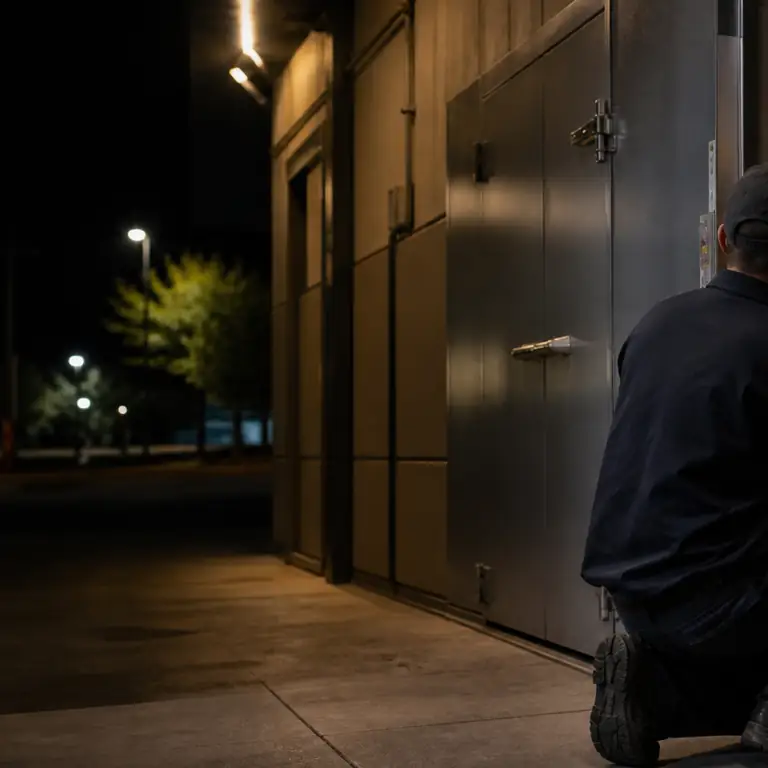
Fort Worth Cold Care helps operators request emergency commercial refrigeration repair using the current temperature, time, product exposure, equipment, alarms, and backup capacity. Current scheduling and after-hours availability are confirmed at the time of the request.
Last updated: August 26, 2026
What happens on the first visit
Emergency intake should establish whether people are safe, whether product temperature is rising, when the failure began, what equipment is affected, whether backup capacity exists, and what access is required. The provider should confirm coverage and after-hours charges before dispatch.
Protect product before repeatedly resetting equipment
Record time and temperature, limit door openings, follow the person-in-charge procedure, and move product only under an approved plan. Repeated resets can erase useful failure evidence.
Urgency depends on exposure and redundancy
A full warm walk-in with no backup is different from an empty case that can wait for normal hours. Share the operational facts so the provider can give an honest response.
After-hours terms should be explicit
Ask for the call fee, included diagnostic time, labor minimum, travel zone, and whether parts or follow-up are likely to wait until normal supply hours.
Understanding service charges and estimates
Ask for the call or diagnostic fee, included time, labor structure, service radius, and after-hours policy before dispatch. Published DFW examples retrieved August 26, 2026 include a $59 commercial ice-machine service call with $110 hourly labor, a $194.68 refrigeration call including one diagnostic hour, and a $254.25 emergency after-hours call. Those are other providers’ published entry charges—not quotes for this site or your equipment.
What the service scope can include
- Safety and product-risk intake
- Temperature and timeline record
- Equipment and alarm identification
- Backup-capacity review
- Coverage and after-hours terms
- Focused failure diagnosis
- Immediate versus follow-up scope
- Written service record