Skip to content
Fort Worth Cold Care
Fort Worth commercial refrigeration

Cold-Storage Refrigeration Service in Fort Worth

Service coordination for warehouse coolers, freezers, distribution facilities, and higher-capacity commercial refrigeration systems.

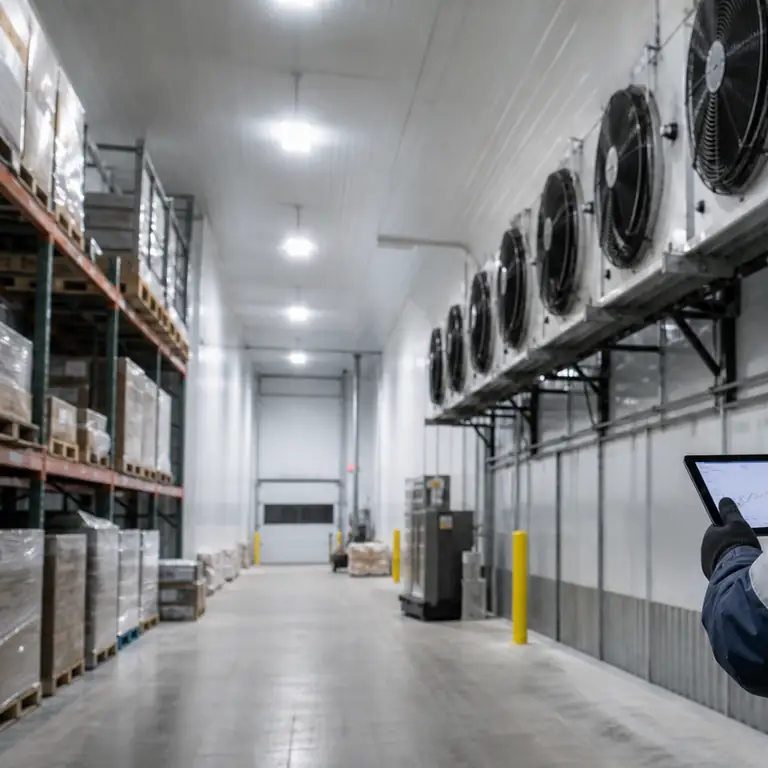
Technician inspecting industrial cold-storage refrigeration equipment near Fort Worth
Commercial equipmentTemperature-first intakeWritten scope questionsService-area matching

Fort Worth Cold Care coordinates cold-storage and warehouse refrigeration requests for higher-capacity coolers, freezers, distribution spaces, and industrial-adjacent commercial systems. Load profile, redundancy, alarms, access, and product exposure should be defined before service.

Last updated: August 26, 2026

What happens on the first visit

The first assessment should document zones, product, target temperatures, trend and alarm data, equipment architecture, redundancy, evaporator and condenser status, controls, defrost, doors, loading activity, roof or mechanical access, and the site’s safety and authorization requirements.

A trend is more useful than one alarm

Temperature history, suction or control alarms, door events, defrost, loading, and outdoor conditions help distinguish a sudden component failure from declining capacity or operating load.

Redundancy changes emergency planning

A facility with another zone, backup equipment, or temporary refrigeration has different urgency from a single critical box. Product movement must follow the operator’s approved handling and traceability procedures.

Industrial access must be part of dispatch

Roof rules, lift requirements, lockout procedures, escorts, dock traffic, and site-specific safety requirements affect who can respond and what equipment must arrive.

Understanding service charges and estimates

Ask for the call or diagnostic fee, included time, labor structure, service radius, and after-hours policy before dispatch. Published DFW examples retrieved August 26, 2026 include a $59 commercial ice-machine service call with $110 hourly labor, a $194.68 refrigeration call including one diagnostic hour, and a $254.25 emergency after-hours call. Those are other providers’ published entry charges—not quotes for this site or your equipment.

What the service scope can include

  • Zone and product-risk intake
  • Trend and alarm review
  • System-architecture identification
  • Evaporator, condenser, and defrost assessment
  • Door and loading-condition review
  • Controls and electrical coordination
  • Access and site-safety planning
  • Documented corrective scope
Compare the decision

Shortcuts versus documented diagnosis

DecisionStaff-only checkRisky shortcutDocumented diagnosis
TemperatureRecord time and readingsKeep resetting equipmentPreserve evidence and test the cause
RefrigerantDo not handleTop off without a leak decisionQualified leak, recovery, and charge procedure
EstimateAsk for entry chargesAccept an undefined verbal totalSeparate call, labor, parts, refrigerant, and follow-up
Four documented steps

From report to verification

01

Triage temperature, product risk, and the operating condition

02

Assess equipment and preserve diagnostic evidence

03

Review and authorize the repair scope

04

Verify operation and retain the service record

Clear answers

Cold-Storage Refrigeration Service questions

What data should a cold-storage facility provide?

Provide zone temperatures, trends, alarms, equipment architecture, product risk, redundancy, access, and authorized contacts.

Can product be moved to another zone?

Only under the facility’s approved food-safety, quality, capacity, and traceability procedures.

Why are roof and access details required?

They determine personnel, tools, lift or fall-protection needs, site entry, and realistic timing.

Is preventive maintenance different for a warehouse?

The equipment scale, redundancy, controls, dust, loading, and criticality can require a facility-specific scope.

Do you service ammonia systems?

System type must be identified before matching. Specialized industrial systems require providers with the appropriate capability and safety program.

Cold-Storage Refrigeration Service: start with the equipment facts

Send the equipment type, current temperature, business ZIP code, alarm or symptom, and when the problem began.

Call (682) 255-1596 — Commercial refrigeration help